Last updated 2026-08-19
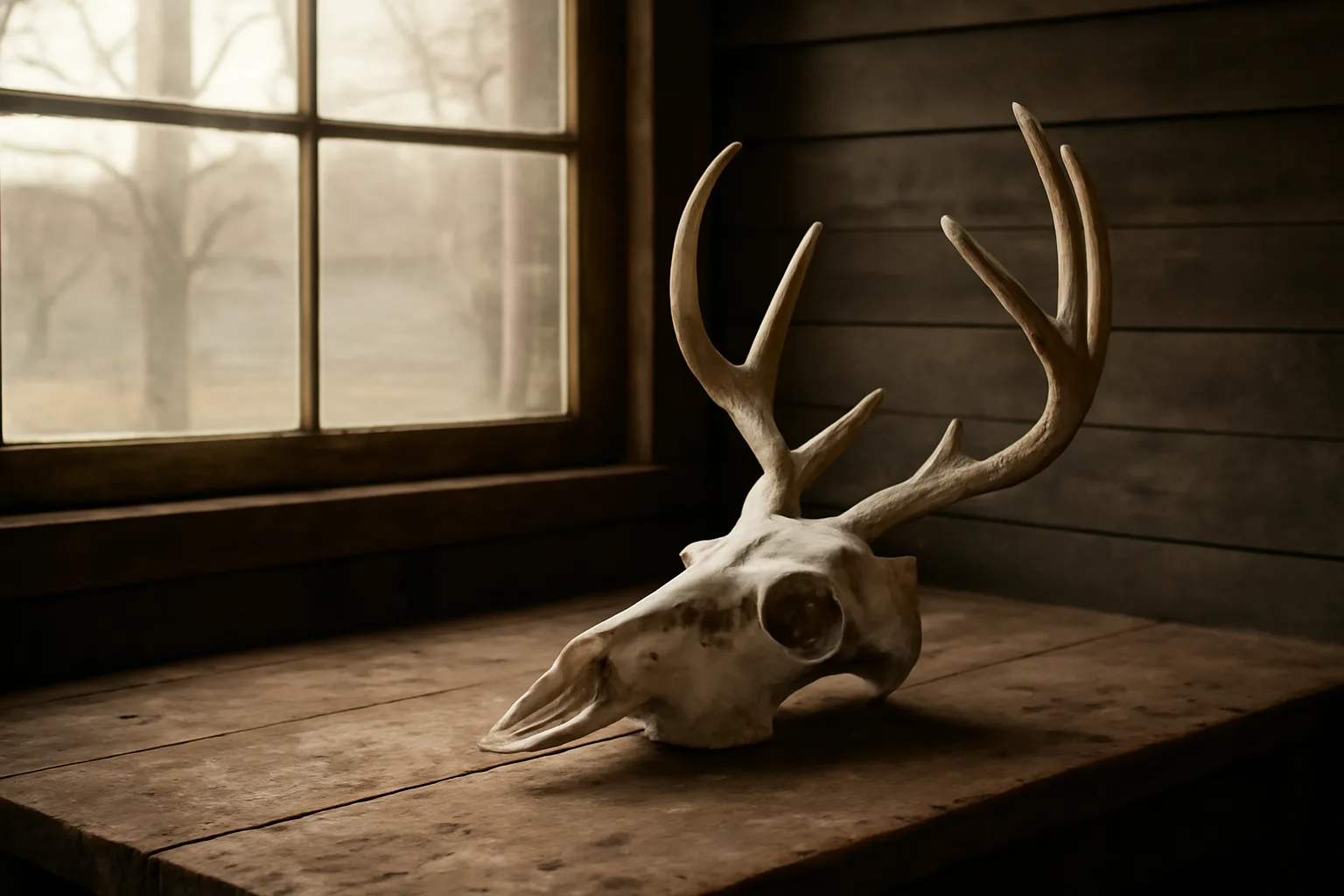
TL;DR
Connecticut runs no standalone european mount board. Sell european mount work and you need a taxidermist license from DEEP under CGS 26-57. Cleaning your own legally tagged deer skull is a different thing. Bird jobs can trigger a USFWS permit. Fees and forms shift, so confirm them with DEEP before you file. Plan on ordinary business registration and local zoning too.
Who is the european mount board in connecticut?
No separate european mount board exists in connecticut. DEEP is the agency that licenses taxidermy as a business. The rule sits in Chapter 490, section 26-57 of the General Statutes. [1] Towns handle zoning. The U.S. Fish and Wildlife Service handles migratory birds.
People type "board" because some states really do run a taxidermy board, with an exam and a signed apprenticeship card. Connecticut does not. You get a wildlife agency license, then ordinary business paper if you charge the public.
Call DEEP Wildlife first, not a comment thread. Ask for the current taxidermist application and the current fee. Do not trust a 2019 screenshot.
Form an LLC and the Secretary of the State is the filing office for the entity. [9] Add ducks or geese for clients later and you pick up a federal file. None of that is a practical exam on a deer skull. There is no state board handbook I can hand you.
The simpler setup is a relief. It is also how people invent rules. They skip the license. They dump boil water in the yard. They take a Midwest buck and ignore carcass limits. Read section 26-57. Then confirm the living form with the people who issue it. [1]
European mount connecticut work still lives inside the rest of the wildlife code. Legal take. Legal possession. Legal import. Chapter 490 is long. Section 26-57 is short. Start there, then keep reading the sections that touch the animal in your sink.
Do you need a license for european mount in connecticut?
You need a Connecticut taxidermist license if you engage in the business of taxidermy, including paid european mount work for other people. That license comes from the commissioner, meaning DEEP, under CGS section 26-57. [1] Cleaning your own legally taken deer skull is usually not that business.
The statute is about engaging in the business. It is not a ban on touching bone. Hunters process their own game.
Here is how I draw the line. If you advertise, take appointments, invoice customers, or keep a regular sideline, get the license before the first paid skull. If your cousin hands you a head once and you do it in a sink, that is a quieter fact pattern. I still would not post a price list and then call myself a hobbyist.
DEEP can sort edge cases better than a blog. Ask them. Write down the name and the date.
Paid work is not the only paper. The hunter still needs a lawful take. Connecticut requires a license to hunt unless an exception in Chapter 490 applies. [13] Keep the tag story clean. A pretty skull from an unreported road deer is how a garage project becomes a wildlife case.
Birds are a second gate. Deer are not. A white-tailed deer euro does not need a USFWS taxidermist permit. A mallard does, if you do the work for someone else. [6]
| Job | CT taxidermist license | USFWS Form 3-200-8 | Extra wildlife paper |
|---|---|---|---|
| Own CT deer skull | Usually no | No | Legal take and possession |
| Paid customer deer | Yes, confirm with DEEP | No | Tag story, CWD if imported |
| Paid duck or goose | Yes, confirm with DEEP | Yes | MBTA possession rules |
| Out-of-state elk for a client | Yes, confirm with DEEP | No | Import and CWD rules |
Comparing how other states built this helps. The european mount board in delaware and the european mount board in california are useful contrasts. Different agencies. Different exams. Same question. Are you in business.
What paper does DEEP actually want for a first-year shop?
DEEP wants a taxidermist license application and the current fee if you are in the business. Confirm both on the current form. I am not going to invent a fee, a quota, or a processing clock. Those move. The statute is the stable part. [1]
Ask for the living packet. Title. Mailing address. Check or portal. Ask whether the license is calendar-year. Ask whether they still mail a card.
Walk in with a business filing plan too. If you operate under a trade name or an LLC, the Secretary of the State handles the entity filing. [9] The Department of Revenue Services is where you register if you need a tax account. [10]
Intake records are the paper clients never see. I keep one sheet per job. Hunter name. Phone. Species. Date in. Tag or license number the hunter gives you. What they want. Date out. A photo of the skull with a dated card in the frame. Connecticut may or may not prescribe a bound book. I have not seen a public, detailed DEEP taxidermy record manual that I trust as current. So I keep more than I think they will ask for.
If a specimen crossed a state line, that sheet is Lacey Act hygiene. The Lacey Act makes it a federal problem to import, export, transport, sell, receive, acquire, or purchase fish or wildlife taken, possessed, transported, or sold in violation of state or federal law. [5] Your notes are how you show you did not wink at a bad tag.
Skip the leather logbook. A folder and a backup are enough.
How much does european mount cost in connecticut?
Two different bills exist. One is what you pay the state and the town to operate. The other is what a hunter pays you for a finished european mount.
I will not quote a current DEEP taxidermist fee. Confirm it with DEEP. Older statute text has listed a dollar figure, and fee schedules get amended. Using a number from memory is how an application bounces.
Business filing costs are ordinary Connecticut costs. Check the Secretary of the State fee page when you form the entity. [9] DRS registration is its own process. [10] Sell a finished mount (skull plus plaque is tangible personal property) and Connecticut imposes sales tax at six and thirty-five-hundredths per cent under CGS section 12-408. [3] Connecticut taxes retail sales of tangible personal property at six and thirty-five-hundredths per cent under CGS section 12-408.
What a hunter pays for the mount is a market number, not a board number. I have not found a current, public Connecticut price study for european mounts. Anyone handing you one statewide average is guessing. Call three licensed shops. Ask for a deer skull, cleaned and whitened, on a simple plaque. Write the quotes down.
In my own planning I price materials first. Plaque. Hanger. Peroxide. Gloves. Bags. Freezer space. The degreasing hours people forget to bill. Then look at those three quotes. If you undercut everyone by half, you are either faster than physics or you are donating labor.
Waste of money: a huge logo package, a wrap on a truck you do not own, and a glass case for a shop with no clients. Buy a freezer and a work table.
European mount connecticut pricing also has to eat your real overhead, including tax on taxable sales if DRS treats the job that way. Confirm the tax treatment with DRS. Do not copy a New Hampshire shop's invoice language.
If you want a paper-and-colony kit after you have read the statute, DermestidPath sells a $129 one-time Colony + Ship-In Kit. You do not need it to use this guide.
How long does european mount take in connecticut?
A deer european mount often takes a few days of active work spread across two to six weeks of waiting, depending on method and how greasy the skull is. That is shop time, not a DEEP clock. Connecticut does not publish an official processing time for the mount itself.
Dermestid beetles are slow and gentle if the colony is healthy. A well-prepped deer skull can come clean in roughly one to three weeks. A wet head still dressed in meat can sit longer. It will stink. Maceration (warm water, bacteria, time) can run several weeks. It will stink more. Boiling or simmering is faster. It is also how people cook grease into the bone and then spend a month trying to get it out.
Degreasing is the honest timeline. Whitening with peroxide is usually hours, not weeks, once the skull is actually clean. Mounting to a plaque is an afternoon if the hardware is simple.
Cold Connecticut garages slow beetles down. That is biology, not a statute. If your shop sits near 50 degrees in January, do not promise a two-week euro in writing.
License turnaround is a separate question. Confirm current processing with DEEP. I will not invent a wait. No approval promise. No opening-day guarantee. File early.
Give customers a range, not a Thursday. Put the range on the intake sheet. If a skull is greasy, say so on day one. Refunds cost more than an honest delay.
Do you need a federal permit for birds and odd species?
A white-tailed deer european mount does not need a federal taxidermist permit. Migratory bird work for someone else does. The Migratory Bird Treaty Act is the reason. [4]
16 U.S.C. § 703(a) says, "Unless and except as permitted by regulations made as hereinafter provided, it shall be unlawful at any time, by any means or in any manner, to pursue, hunt, take, capture, kill, attempt to take, capture, or kill..." and then it keeps going through possess and ship. [4] The regulations live in 50 CFR Part 21. The application people actually fill out is USFWS Form 3-200-8. [6] A USFWS taxidermist application is Form 3-200-8, and it applies to migratory birds, not to a white-tailed deer skull.
Wild turkey is not a migratory bird under that program. Ducks, geese, and doves are. Do not guess the species. Check it.
If you only do deer, bear, and coyote skulls, keep the federal packet off your desk for now. Add it the day a hunter asks you to do a wood duck.
Eagles are their own world. Do not touch them.
Interstate oddities (a pronghorn, an elk from a CWD state) bring carcass and export rules, not a bird permit. Read the european mount board in colorado notes if that is your pipeline, then still confirm Connecticut's import limits before the head hits the highway.
What about CWD, tags, and bringing skulls into connecticut?
Chronic wasting disease rules can block an out-of-state head before DEEP ever looks at your taxidermy license. CDC describes CWD as "a prion disease that affects deer, elk, reindeer, sika deer and moose." [7] Connecticut posts its own CWD guidance through DEEP. Read that page, not a forum summary, before you take a Midwest buck. [8]
Federal interstate carcass rules for farmed cervids sit in 9 CFR Part 81. Section 81.3 sets general restrictions on moving those animals and certain parts. [11] Hunter-harvested wild deer are mostly a state-by-state carcass import problem. Connecticut's DEEP hunting pages are where the agency writes the living version of what parts you may bring home. [12]
I would not accept a whole out-of-state cervid head with the brain intact until I had reread this year's guidance. Cleaned skull, no obvious neural tissue, is the pattern many states are steering hunters toward. Confirm. Do not treat my sentence as the regulation.
Tags stay with the animal. If a hunter cannot tell you when and where the deer came from, you do not need that job. Section 26-55 is the Connecticut statute people hit when they move wildlife into the state without the right permit. [2] The hunting license rule is section 26-27. [13]
Roadkill is not free inventory. Ask DEEP about possession before you boil a mystery deer. A cheap skull is expensive if it is illegal.
Can you run a european mount shop from a connecticut garage?
Maybe. Zoning is local. DEEP will not answer your setback question. Your town planner will.
Call the zoning office and ask about a home occupation. Say the words. Skull cleaning. Occasional pickup. No retail walk-in. Possible odor. If they require a special permit, get that before you buy beetles. If they ban it, believe them. Fighting a cease-and-desist to save a low-dollar euro is a bad trade.
Smell is the real complaint. Simmer pots and maceration buckets will get you reported faster than an unlicensed photo page. Beetles are quieter if the box is tight and the freezer holds the backlog.
Waste water from a boil pot is not a kitchen pour. Talk to the town sanitarian. Solid tissue needs a plan you can defend, a hauler or whatever local health actually allows. I have not found a single statewide euro-shop wastewater permit I can cite, so treat this as local.
Form the entity if you are taking public clients. [9] Open the tax account if you will sell mounts. [10] Insurance is not a statute. It is how you sleep. A homeowner policy often excludes business. Read the exclusion. Buy a small business policy if you are in business. That is what I would do.
European mount connecticut garage shops fail on neighbors, not on Latin names. For a looser, more rural contrast, skim the european mount board in georgia and the european mount board in florida. Then come back to your town's PDF. Towns win this argument.
What records should you keep in year one?
Keep an intake sheet, a photo, a payment record, and the hunter's tag information on every job. Keep them longer than you think you need. DEEP may ask. A court will ask if a specimen goes sideways.
I use one file per job, named by date and species. I would not build a custom database in year one. That is a waste of money.
If you do migratory birds later, your federal permit will come with its own record rules. Read the permit conditions. They beat my advice. [6]
Interstate jobs need a cleaner file. Who killed it. Which state. Which license. Which parts arrived. Which parts you refused. That file is how you show you did not receive wildlife taken in violation of another state's law. [5]
Sales records matter for DRS if you have taxable sales. [3] [10] Keep them the way a boring accountant would. You want boring.
Clients will ask you to backdate a drop-off so they can dodge a season question. No. Write the real date. If that costs you the job, you still have a license.
How do you confirm current fees and forms with DEEP?
Call DEEP wildlife or sportsmen licensing staff and ask for the current taxidermist license application, the current fee, and where to send it. Then open CGS section 26-57 yourself so you know what the statute still says. [1] If the person on the phone disagrees with the statute, ask for a supervisor and a written note.
Do not use a fee you saw on a three-year-old blog. Do not use this article as a fee table. Fees move. Forms move. I am not going to pretend I can lock a dollar amount for you.
DEEP's hunting pages are the other living document. [12] Use them for carcass import, tagging, and season context. Use the CWD page for disease rules. [8] Use section 26-55 if someone wants to roll a whole animal into the state. [2]
If DEEP points you to a portal, use the portal. If they still want a paper check, send the paper check. Argue about websites after you are licensed.
No one here can promise approval. This site is an independent publisher, not a law firm and not a licensing service. If your facts are weird (rehab animals, education mounts, a classroom collection), say that up front.
What is a waste of money in the first year?
A leased storefront on a state highway is a waste of money if you do not have a waitlist. So is a full-body mannequin inventory when you only sell european mounts. So is paying for a trademark search on a pun name nobody will remember.
Buy a chest freezer. Buy a work table you can bleach. Buy peroxide in a concentration you actually understand. Buy bags, tags, and a cheap camera. That is the shop.
Skip the boutique boiling gadget. A dedicated vessel you will never cook dinner in is enough.
Skip promising a 10-day turnaround in January in an unheated garage. Refunds cost more than honesty.
If your volume is real and you later add staff, then revisit space and payroll. Year one is proof of process, not a brand launch.
People also waste money ignoring nearby state rules when they take travel hunts. If your clients hunt the european mount board in illinois circuit or come home through the european mount board in arizona export mess, read those guides before you say yes on the phone. Then reread Connecticut's import page anyway. [8] [12]
What should you do this week if you are starting?
Read CGS 26-57. Call DEEP and ask for the current taxidermist packet. Call your zoning office. Call DRS if you will sell finished mounts. Write three competitor quotes on a notepad. Decide beetles or maceration based on your building, not a video comment.
Print an intake sheet tonight. Put a freezer in the garage. Tell the people who live with you the smell talk before the first head arrives.
Confirm every variable number with the agency that owns it. No one can honestly guarantee a license date. File the thing, then wait without posting a grand opening.
If you still want the checklist and colony kit after that homework, the Colony + Ship-In Kit is on /start. The statutes still win. DEEP still wins. Your town still wins.
Frequently asked questions
Do you need a license for european mount in connecticut?
Yes, if you engage in the business, including paid skull work for other people. CGS section 26-57 puts that license with DEEP. Doing your own legally taken deer is usually outside that business line. Advertising and invoicing pull you inside it. Confirm edge cases with DEEP before you take money.
How much does european mount cost in connecticut?
Two bills exist. Confirm the current DEEP taxidermist fee with DEEP, because printed dollar figures go stale. A finished deer euro sold to a hunter is a market price. I have not found a current public Connecticut price study, so call three shops. Finished mounts sold at retail can also pick up the 6.35% sales tax in CGS 12-408.
How long does european mount take in connecticut?
Shop time is often two to six weeks of waiting around a few days of real work, longer if the skull is greasy or the garage is cold. Beetles, maceration, and boiling do not run on the same clock. Connecticut does not publish an official mount timeline. License processing is separate. Confirm that wait with DEEP. Give customers a range.
Is there a european mount board, or is it just DEEP?
No standalone european mount board exists in connecticut. DEEP licenses taxidermy as a business under Chapter 490, section 26-57. Towns handle zoning and odor complaints. USFWS handles migratory bird taxidermy permits. You are stacking agencies, not sitting for a board practical.
Can I do my own deer skull without a taxidermy license?
Usually yes, if it is your legally taken animal and you are not engaging in the business. The license statute is aimed at the business of a taxidermist. Keep the tag and possession story clean under Chapter 490. If you start taking paid heads from other hunters, stop and apply.
Do I need a federal permit for a deer euro?
No. A white-tailed deer skull is not a migratory bird job. USFWS Form 3-200-8 is the taxidermist application for migratory birds done for someone else. Ducks and geese can trigger it. Wild turkey does not sit in that same federal box. Check the species before you file anything.
Are dermestid beetles legal to keep in connecticut?
I have not found a Connecticut statute that bans keeping hide beetles for skull work. That is not the same as a blessing. Towns can still treat odor and pests as a nuisance. Confirm with DEEP if you want it in writing, and tell zoning what you are actually doing in the garage.
Do I charge sales tax on a finished skull mount?
A finished skull on a plaque is usually a sale of tangible personal property. Connecticut imposes sales tax at six and thirty-five-hundredths per cent under CGS 12-408. Service-only questions get messier. Register with DRS if you will sell mounts, then ask them how to code the invoice. Do not copy another state's tax line.
Can I accept out-of-state deer heads?
Only if the parts are legal to import under this year's DEEP rules and any CWD limits that apply. Read the DEEP CWD page and the current hunting guidance before you say yes. Whole heads with brain tissue are the risky version. Ask for the kill state, date, and tag. Refuse mystery animals.
What if I only do mounts as a hobby for friends?
A true one-off for a relative is a different fact pattern than a quiet side business. Regular payment, public posts, and a waitlist look like engaging in the business under section 26-57. I would rather buy the license than explain a hobby to an officer. Ask DEEP if your fact pattern is close.
Where do I apply for the taxidermist license?
Apply through DEEP, which issues the license under CGS 26-57. Ask them for the current application, fee, and mailing or portal instructions. Do not use an old PDF you found in a search. This site cannot file it for you and cannot promise a decision date.
Does a home garage need a special permit?
Maybe. Zoning is a town question, not a DEEP specialty. Ask about a home occupation and say you will clean skulls, with pickup traffic and possible odor. Some towns want a special permit. Some say no. Get that answer before you buy a colony or a simmer pot.
Can I ship a finished european mount to another state?
Sometimes, if the animal was legal and the destination state will accept the parts. The Lacey Act still applies to interstate wildlife. Carriers also have their own rules on bone and odor. Clean, dry, no tissue is the version that ships. Confirm the receiving state's carcass and CWD rules first.
Sources
- U.S. House Office of the Law Revision Counsel, 16 U.S.C. § 703: The Migratory Bird Treaty Act makes it unlawful, except as permitted by regulation, to take, possess, or ship migratory birds.
- U.S. House Office of the Law Revision Counsel, 16 U.S.C. § 3372: The Lacey Act prohibits trafficking in fish or wildlife taken, possessed, transported, or sold in violation of state or federal law.
- U.S. Fish and Wildlife Service, Form 3-200-8 Taxidermist Permit application: USFWS Form 3-200-8 is the federal taxidermist permit application used for migratory bird taxidermy.
- CDC, About Chronic Wasting Disease: CDC describes CWD as a prion disease that affects deer, elk, reindeer, sika deer and moose.
- Connecticut DEEP, Wildlife (Learn About Wildlife) portal: DEEP publishes Connecticut-specific wildlife and CWD guidance that shops should read before taking out-of-state cervid parts.
- Connecticut Secretary of the State, Business Services: The Secretary of the State is the filing office for forming a Connecticut business entity.
- Connecticut Department of Revenue Services, Businesses: DRS is the agency that registers businesses for Connecticut tax accounts, including sales tax.
- eCFR, 9 CFR § 81.3 General restrictions (CWD): 9 CFR 81.3 sets federal general restrictions on interstate movement of farmed cervids and certain parts because of CWD.
- Connecticut DEEP, Hunting: DEEP's hunting pages are the living source for current carcass, tagging, and season rules hunters and shops must follow.